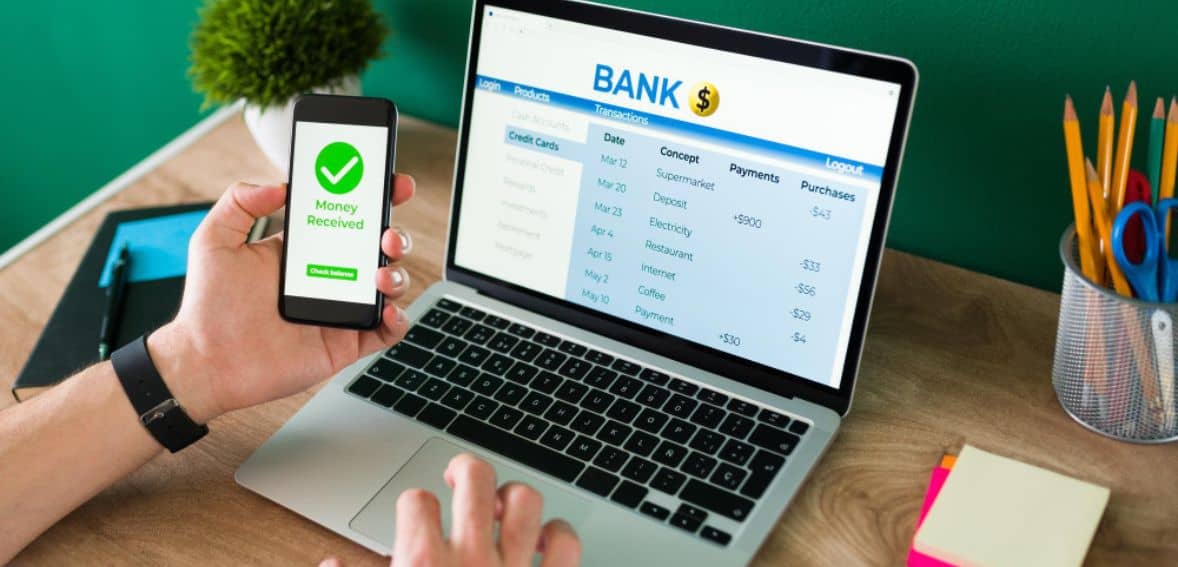
Business Checking vs. Business Savings: How to Structure Your Accounts Correctly
Business checking and business savings accounts both play different roles, yet they are equally important in managing your finances. Knowing how to properly set up and utilize both accounts will help you organize your business, monitor cash flow, and have a clear plan set for the future. When set up properly, these accounts work together to support daily operations while protecting and growing surplus funds for long-term stability.
What Is a Business Checking Account
The main place for all your money inflow and outflow in the business is known as a business checking account. It is used to receive customer payments, pay vendors, cover daily expenses, and handle the cash inflow and outflow in your business. Keeping business money separate from one’s own personal finances helps to track it more easily and more organized.
Most of the business checking accounts allow numerous frequent transactions without hassle. You will have access to your money with debit cards, checks, or online banking to facilitate your day-to-day payments with ease. Additionally, most accounts integrate seamlessly with payroll systems, accounting software, and invoicing tools that help business owners stay on top of expenses, monitor cash flow, and keep financial records.
What Is a Business Savings Account?
A business savings account is designed for funds that are not immediately necessary for spending. A savings account for business helps in setting aside business income for future uses, such as taxes, equipment, or for low business seasons. The number of transactions involved here is lower when compared to those of checking accounts; this in turn, encourages good savings habits.
However, the flexibility when accessing the money can be limited. The advantage here lies in steady growth and financial security. A savings account for a business provides owners with an assurance of a safety net for future events.
Importance of Business Checking and Savings Accounts to Small Businesses
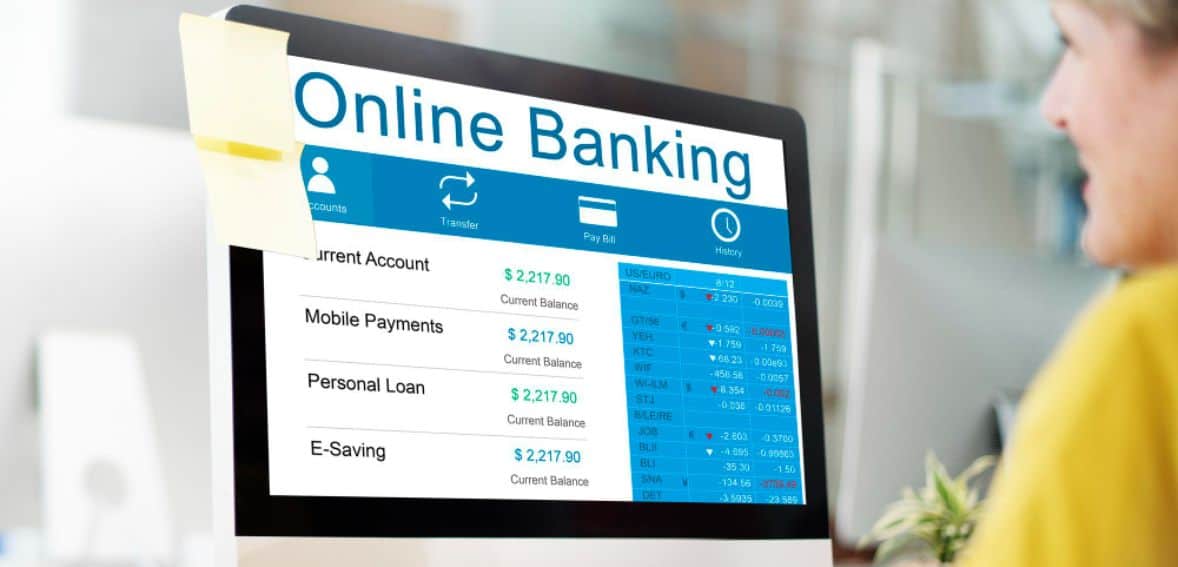
For small business owners, having the right bank accounts means more than a simple setup. A business checking account is important for keeping day-to-day operations in order. A business savings account secures the future by keeping money set aside in a safe and sound manner.
Many companies usually start with one account, but as they expand, it becomes confusing to handle everything from the same account. By setting up a checking and savings account, it becomes easier to handle money by distinguishing between spending current money and funds set aside for future savings. Dedicated business accounts also simplify tax preparation and show professionalism. They help build trust with banks, partners, and clients while giving owners clearer control over their finances.
The Major Differences Between Business

Spending vs Saving
A business checking account is designed for operational funding. It deals with expenses such as the cost of employee salary payments, rent payments, and customer refunds. There is also an involvement of incoming money from customer payments. Therefore, there is a constant flow of money.
On the other hand, the business savings account’s primary objective revolves around holding money that cannot be withdrawn instantly. It involves money that could be used for emergencies like taxes, upgrades, or expansion.
Earning Interest on Additional Funds
The first advantage of a business savings account is earning interest on the money held in it. The best thing about having extra cash in savings is that it helps to earn interest rather than remaining idle in the business checking account without any financial utility.
On the other hand, the business checking account does not earn any interest; therefore, holding a large amount of business cash in a business checking account does not prove to be valuable from a financial point of view. The best way to utilize this idle business cash while storing it in a secure place is to transfer it to a business savings account.
Access to Your Money
Business checking accounts are meant to provide rapid and frequent withdrawals. You can make payments, transfers, or deposits as many times as needed without any restrictions on the account, following your bank’s policy.
However, when it comes to business savings accounts, there are some restrictions applicable to the withdrawal of funds. These limitations help businesses avoid withdrawing funds instantly from the savings account to make payments that are needed on a regular basis. Thus, the savings account should not be used to keep funds that are needed immediately; instead, it should be used to keep funds that are set aside for future use.
Transaction Limits and Fees
Most business checking accounts come with a high number of transactions, but some allow unlimited transactions. However, some may charge monthly maintenance fees if the account requirements are not met. Savings accounts, however, usually have tougher terms.
Some come with restrictions regarding the number of withdrawals, and penalties may also apply if the monthly transaction limit is exceeded or if the balance is low. This generally depends on the bank that is selected.
Choosing Between Business Checking and Savings

A good understanding of business checking accounts versus savings accounts is only the beginning. Most of the time, it’s not about picking one over the other. The true advantage is when both accounts are used together to support both short-term and long-term objectives. How your company plans for the future and handles cash flow will determine the best configuration.
Let’s start with analyzing where your funds are coming from and where they are going in the business. If you are someone with regular use of funds in business, you will definitely need a checking account. If you are someone who is left with additional funds in business or are making preparations regarding taxes or investments, you will need a savings account to safeguard these funds.
Most small businesses function well with both accounts. The checking account should be used for the day-to-day operations of the business. The savings account should be used for the portions of the funds that are held back for taxes, expansions, and slow business times. By putting automatic transfers from the checking account to the savings account, it becomes much easier to save.
Smart Tips to Manage Your Business Finances Effectively

Effective money management becomes crucial once you understand where your company’s payments are going. Maintaining sound financial practices enables you to maintain control, steer clear of cash flow issues, and confidently plan for the future.
Firstly, start by selecting the bank that is most suitable for your business. The criteria may include low monthly charges, easy access to your money, and good customer service. Online banks often charge less interest or may lack some charges compared to other banks.
It is important that you make it a habit to check your business checking and savings accounts from time to time. This way, you can easily track where your money is coming from and where it is going, including any savings growth. In addition, it also helps you to notice setbacks, errors, or unexpected fees that may show up within your accounts.
Secondly, automating your savings with a smart financial tool is one of the simplest ways to make saving an everyday habit. Automating the savings process by transferring funds from the checking account to the savings account eliminates the effort associated with the process of saving. Small amounts of money saved regularly are effective in the creation of a strong financial base.
Planning for taxes in advance is a crucial step as well. Saving a portion of each payment you make will help you stay stress-free when tax due dates come around. Saving your taxes in a separate account prevents the possibility.
Lastly, periodically look through your bank fees and interest rates. Then compare them with those of other banks. This way, you will ensure that your company is getting the best deals. Banks often give better deals if the company keeps a certain minimum balance. By paying attention to these details, your company’s profits will remain safe.
Common Mistakes To Avoid

Firstly, one of the largest pitfalls that entrepreneurs with small businesses get into is mixing personal and business money. Confusion, difficulty in tracking income and expenses, and complicated tax filing can result from using the same account for both. It could also become an issue with the tax authorities if your business were to be audited. Make sure that your business money is kept separate from personal expenses.
Secondly, another common mistake is to ignore bank fees. Certain business accounts have expensive monthly fees, transaction fees, or additional charges for services like wire transfers. Examine the fee schedule in detail and weigh your options before opening an account. Over time, your company can save money by selecting a bank for business with minimal fees or good interest for keeping a minimum balance.
Thirdly, another possible weakness could arise from not having enough money set aside in an emergency savings account. You could encounter unforeseen expenses, such as equipment failure, an off-season, or a medical emergency. It is important that you have money set aside that you can easily access.
Additionally, another common mistake could be failing to monitor your expenses regularly. By not monitoring your spending closely, you might end up overspending while at the same time neglecting ways that could help you cut your expenses. You could monitor your spending and income using accounting software or mobile applications.
It’s also risky to neglect tax planning. Many small businesses fail to set aside money or underestimate taxes, which can result in fines or problems with cash flow. You can stay ready for deadlines by setting aside a portion of your income in a different savings account for taxes.
Over-reliance on credit without a strategy may prove to be another risky matter. Credit card borrowing or loan borrowing may prove particularly hazardous if used for current operational requirements without a proper strategy. Borrowing should remain strictly within essential investments.
Finally, failing to monitor financial statements on a regular basis is another mistake. By regularly analyzing your profit/loss statement, cash flow statement, and balance sheets, you are able to identify problems and make informed decisions to help your business grow. By avoiding such common errors, small business entrepreneurs will be able to keep their finances under greater control while being ever ready to meet any unexpected business challenges.
Conclusion
Organizing your business checking accounts and business savings accounts is an important step in establishing a solid financial system. Making use of checking accounts for day-to-day spending and savings accounts for future spending is an effective means of managing cash flow. By using both accounts simultaneously, businesses can stay organized, plan effectively for future costs like taxes or unexpected events, and make sound financial decisions.
FAQs
Do small businesses require both checking and savings accounts?
Yes, using both is helpful in managing expenses when saving money for taxes, emergencies, and future business plans.
Can I use a business savings account to pay everyday expenses?
No, savings accounts have withdrawal limitations and are not ideal to hold amounts that will be spent on a frequent basis.
How frequently should I move funds to my company’s savings?
To increase savings without impacting cash flow, many companies make monthly transfers or following periods of high revenue.
Are checking accounts for businesses mandated by law?
Not always, but they support professionalism, tax reporting, and the separation of personal and business finances.
What happens if I combine money from my personal and business accounts?
It can lead to tax problems, accounting confusion, and difficulties if your company is involved in audits or legal disputes.